
Inside an Architectural Salvage Yard: What You'll Find and How to Work One
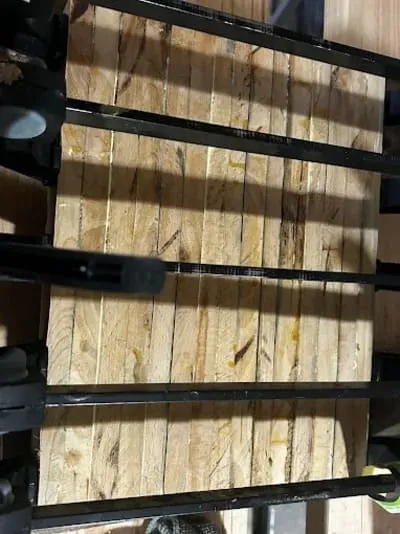
An architectural salvage yard is a place to find building materials with a past, and sometimes just the right piece for an old-house repair, a renovation, or a new project with character.
Search for “salvage yard near me” and you may picture row after row of doors, flooring, beams, trim, and hardware. That’s part of the appeal: there’s always a chance of finding something unexpected. But salvage shopping works a little differently from buying new lumber. Stock changes, dimensions can vary, and a piece’s condition matters as much as its looks.
Here’s what you may find in an architectural salvage yard, how it differs from other places to shop, and how to make your search more productive.
What Is an Architectural Salvage Yard?
An architectural salvage yard collects and sells building materials rescued from older homes, factories, mills, barns, and commercial buildings. Materials may be saved during renovation or careful deconstruction, then sorted, stored, and offered for reuse.
Depending on the yard, you might find:
- Reclaimed flooring, lumber, and beams
- Doors, mantels, stair parts, and columns
- Trim, molding, and paneling
- Vintage hardware, including hinges and pulls
- Glass, brick, stone, or other architectural details
A salvage yard isn’t quite the same as a lumberyard, where new materials are often stocked in standard sizes. And while an antique shop may focus on complete, curated objects, a salvage yard often has building parts and raw material for repair or reuse.
The lines can blur. Some salvage businesses specialize in wood; others carry a wider mix. Ask what the seller works with and whether material is sold as-is or prepared for a project.
What Might Turn Up?
The selection depends on what buildings have recently been salvaged and what has already sold. A good search might uncover old-growth heart pine, wide pine boards, chestnut, factory timbers, doors, mantels, stair parts, columns, trim, hardware, or vintage glass.
That changing selection is the point. One visit may turn up a useful run of boards; another may reveal a single door or beam that fits your plan. No two lots are quite alike, and “similar” doesn’t always mean matching.
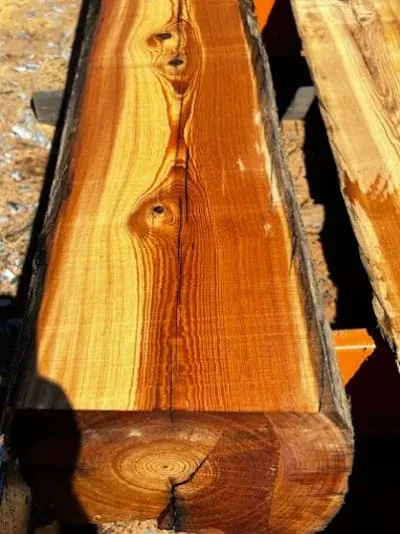
When a particular species or detail matters, ask what’s known about the material’s origin. Provenance, the history of where something came from, can help you understand its character and make a more informed choice. The available history may vary, so it’s reasonable to ask what the seller can confirm.
How Salvage Yards Work
Inventory usually changes as new material comes in and existing stock sells. Some pieces may be cleaned, de-nailed, or milled before sale; others may be offered in the condition they were recovered. Don’t assume every board is ready to install.
Pricing also depends on the item. Lumber may be priced by board foot, flooring by square foot, trim by linear foot, and doors or mantels by the piece. Always ask what the unit means, what preparation is included, and how much material is actually usable.
For flooring or a wall, a rough pile’s total area may not equal its finished coverage after sorting and milling. For an individual item, check whether hardware or other parts are included. If you need several pieces that work together, confirm the quantity before you commit.
How to Shop a Salvage Yard Successfully
A little preparation makes it easier to spot the right material, and avoid bringing home something that doesn’t work.
1. Bring your project details
Write down the measurements you need, the amount of material, and whether you’re looking for a particular species, color, grain, or level of character. Be clear about rough versus finished dimensions. If you’re matching an existing floor or trim, take photos and bring a sample when possible.
2. Inspect more than the best-looking piece
Ask to see a representative sample of the lot, not just one especially attractive board. Look for splits, rot, twisting, insect damage, and signs of water damage. For doors and other moving parts, check dimensions, condition, and whether the hardware is present. The right amount of character depends on your project; hidden damage is a different matter.
3. Ask how it’s been prepared
Useful questions include: Has it been de-nailed? Has it been tested for moisture? Is it rough or surfaced? Has it been milled to a finished size? What’s the usable coverage after preparation?
For wood that will be machined, make sure the material has been checked for embedded metal. If you’re unsure how it should be prepared or stored, ask before buying.
4. Check the full cost of the project
A board’s sticker price is only one part of the decision. Consider milling, delivery, storage, installation, and any extra material needed for sorting or future repairs. For uncommon stock, having a reserve from the same lot may be helpful, matching it later isn’t guaranteed.
5. Ask what’s coming in
If you don’t find what you need today, ask whether similar material may arrive later and whether the seller can contact you when it does. It’s also worth asking if a project could use a different size or species. Sometimes a workable option isn’t the first one you pictured.
A Massachusetts Search May Turn Up Local History
Massachusetts has a long history of homes, mills, and factories, and salvage from local buildings can include material that’s difficult to find new. At Toy Town Vintage Salvage in Winchendon, we work with reclaimed material from local buildings, including 1809 chestnut, wormy chestnut, and pine from the original 1809 Toy Factory.
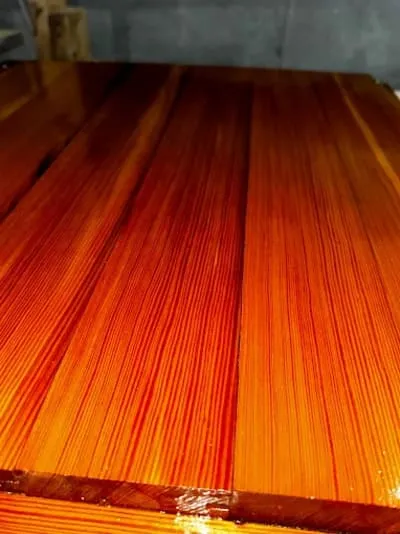
If you’re searching for an architectural salvage yard near me, a walk through a local yard can be a fun way to discover what’s available. If you already have a particular project in mind, there’s another option: tell us what you’re looking for, share measurements and photos, and I can bring sample boards to you. Toy Town serves customers throughout Massachusetts, ships to other states, and offers on-site installation.
You can browse our gallery to see reclaimed material and finished work, or review our reclaimed wood services.
Buying at a Yard or Getting Samples Brought to You?
Visiting a salvage yard is great when you’re open to discovery and can inspect a range of pieces in person. It gives you a feel for the material and the chance to find something you weren’t expecting.
If you know what your project needs, working with a supplier who can bring sample boards to you may save the trip and help you compare the wood with the space where it will go. I offer free estimates with no consultation fee, so you can talk through your plans before deciding on a next step.
For painted or finished salvage, take extra care. Older paint may contain lead; don’t casually sand or disturb it. Review Massachusetts lead-safe renovation guidance and consult an appropriately qualified professional when needed.
A quick safety note about mantels and beams: A reclaimed mantel needs proper installation and safe clearance from the fireplace and heat source. Have a qualified professional review the setup and local requirements. Decorative box beams are not structural supports; don’t use reclaimed timber as a structural beam without review by a qualified building professional.
Bring Us Your Project
Tell me what you’re trying to find or build. Bring your measurements, photos, and any sample you’re matching, and I’ll help you review the options.
Request a free estimate, call (978) 210-0221, or email sam@toytownvintagesalvage.com. You can also read more about architectural salvage in Massachusetts or explore the Toy Town blog.
Send over the details when you’re ready. I’ll be glad to help you figure out a good next step.