
DIY or Hire a Pro? Reclaimed Wood Projects and Where the Line Really Is
Some reclaimed wood projects are genuinely good DIY jobs. A shelf, a small accent wall, or a simple table can be a satisfying weekend project, and you don’t need to hire someone just because the wood is old.
The trick is knowing where the project stops being simple. Reclaimed boards can vary in size, condition, and milling. Historic floors need careful matching. Heavy beams and fireplace details bring safety questions that shouldn’t be guessed at.
So, DIY or hire a pro? Here’s a plainspoken guide. And to answer one common question: we don’t just sell wood. We can source, mill, deliver, and install it, all through one shop.
DIY can be a great fit
A small project with straightforward cuts and a simple finish is often a good place to start. Nail holes, saw marks, and worn edges can be part of the charm, not flaws you need to hide.
DIY is often a reasonable option for:
- A small, straight-run accent wall
- A simple shelf or tabletop
- A small furniture project
- A straightforward mantel installation on a suitable surround, once clearances and anchoring have been confirmed
For basic work, you may need a tape measure, level, drill, saw, and appropriate fasteners. The right setup depends on the material and the surface you’re attaching it to. Before cutting or sanding old boards, check carefully for nails or other metal. Wear appropriate eye, hearing, and respiratory protection, and don’t machine painted or unknown material until you’ve considered what may be on it.
If you’re new to reclaimed lumber, start small. Get the board dimensions and condition in advance, and ask how much usable material you can expect after sorting and cutting. A reliable supplier should be happy to talk through whether your plan is manageable as a DIY job.
For ideas on finding and evaluating salvaged material, read 10 things to know about architectural salvage in Massachusetts.

Where reclaimed wood installation gets tricky
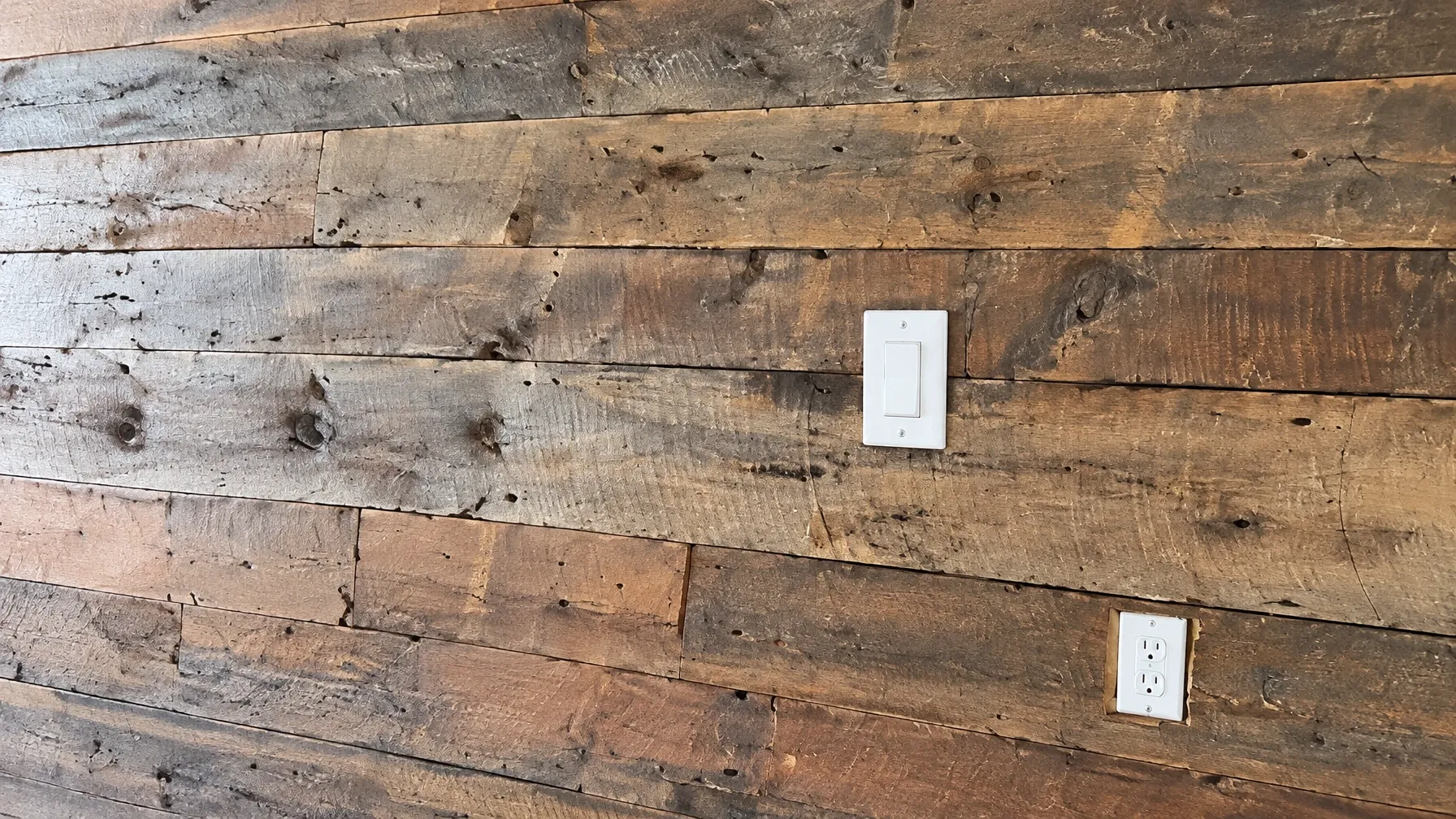
A project can look simple in a photo and be difficult in a room. Older boards may have different widths and thicknesses, irregular edges, hidden metal, or a finish that behaves differently from new lumber. If the surface underneath isn’t flat or sound, the installation may need more preparation than expected.
DIY gets harder when:
- A floor needs to meet existing flooring cleanly.
- Boards are unusually wide, unstable, or inconsistent.
- The material needs custom milling or a particular tongue-and-groove profile.
- The installation involves masonry anchoring or a long, heavy beam.
- The work touches historic trim, doorways, or other details that should carry through.
- You need the finished work to blend closely with what’s already there.
Historic flooring repair is a good example. A convincing repair depends on more than color. Species, grain direction, thickness, width, tongue-and-groove profile, wear, and finish all matter. A professional can assess the existing floor and help determine what can be matched and milled for the repair.
Explore custom-made flooring or browse the reclaimed wood collection to see the kinds of material and work we offer.
Mantel and beam safety: don’t guess
Fireplace clearances aren’t one-size-fits-all. The safe placement of a wood mantel depends on the fireplace type, its manufacturer’s instructions, local code, and the mantel’s dimensions and projection. Don’t rely on a general clearance number, including one based only on mantel depth. Check the appliance manual and local requirements before installing or changing a mantel. Gas and factory-built fireplaces need particular care.
The same goes for beams. A decorative box beam is not a structural beam. If a beam will carry a load, or if you’re unsure what an existing beam does, ask a qualified contractor or structural professional to assess it before work begins.
I’m glad to talk through the wood and the project. But safety details should be confirmed with the appropriate manufacturer, code official, or qualified professional.
What hiring a pro actually covers
Professional reclaimed wood installation isn’t just someone showing up with tools. A well-planned job can bring the material and the work together, from selecting boards to finishing the installation.
At Toy Town, that can include:
- Sourcing. We work with local historical salvage, including reclaimed material from the floors and walls of Winchendon’s original 1809 Toy Factory.
- Selecting. We hand-pick boards to suit the project, rather than treating every board as interchangeable.
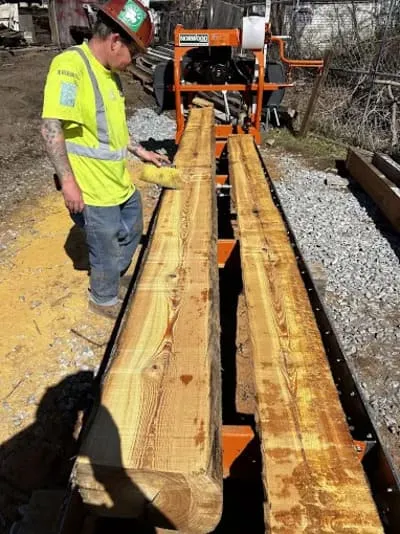
- Milling. In our Winchendon shop, we can prepare material for the job. Our equipment includes an 18-foot rip line saw.
- Choosing in context. I can bring sample boards to your home, so you can consider them in the room and light where they’ll be used.
- Delivery and installation. We can ship material to other states and install on site in Massachusetts.
We also make reclaimed focal walls and custom-made box beams. That end-to-end process can be especially helpful when the project has unusual material, custom milling, or details that need to work together.
A real project, from salvage to installation
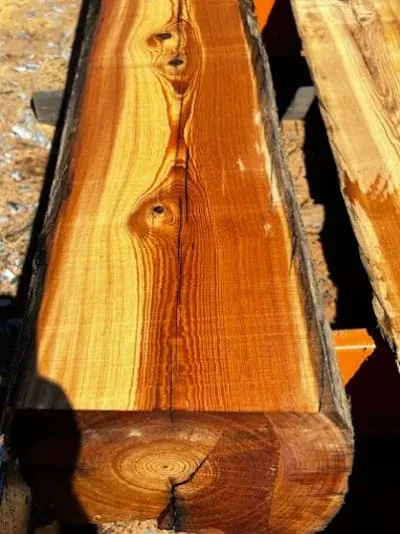
For a Quincy penthouse, we used chestnut, wormy chestnut, and pine reclaimed from the floors and walls of the original 1809 Toy Factory building in Winchendon. I hand-picked boards to the client’s specifications. At the shop, we milled them straight on the 18-foot rip line saw, then delivered the material and carried it up three flights.
The reclaimed wood was installed in the hallways and great room. We also milled custom vertical-grain heart pine molding for the doorways and built a custom box beam for the hallway.
See the Quincy project for photos and details. It’s a good example of how sourcing, milling, delivery, and installation can fit together as one job.
DIY vs. professional: think about the whole job
DIY can save labor, but you’ll take on the material yield, tooling, and learning curve. With reclaimed wood, not every board may suit every part of a project, and some material may need more preparation than you expected.
A professional estimate can account for the material, milling, expected usable yield, and installation. That doesn’t mean every project needs a pro. It gives you a clearer way to compare options. We offer complimentary estimates, with no consultation fee, so if you’re deciding, ask for one and compare it with your DIY plan.
Not sure which side of the line you’re on?
Send photos and measurements. I’ll give you an honest read on whether it looks like a good DIY project or one that would benefit from the shop.
Contact us for a free estimate, call (978) 210-0221, or email sam@toytownvintagesalvage.com. You can also browse the gallery or read more on the blog.
Send over what you have in mind. I’ll help you figure out a good next step.