
Reclaimed Wood Beams for Sale: Solid Beams, Box Beams, and How to Buy the Right One
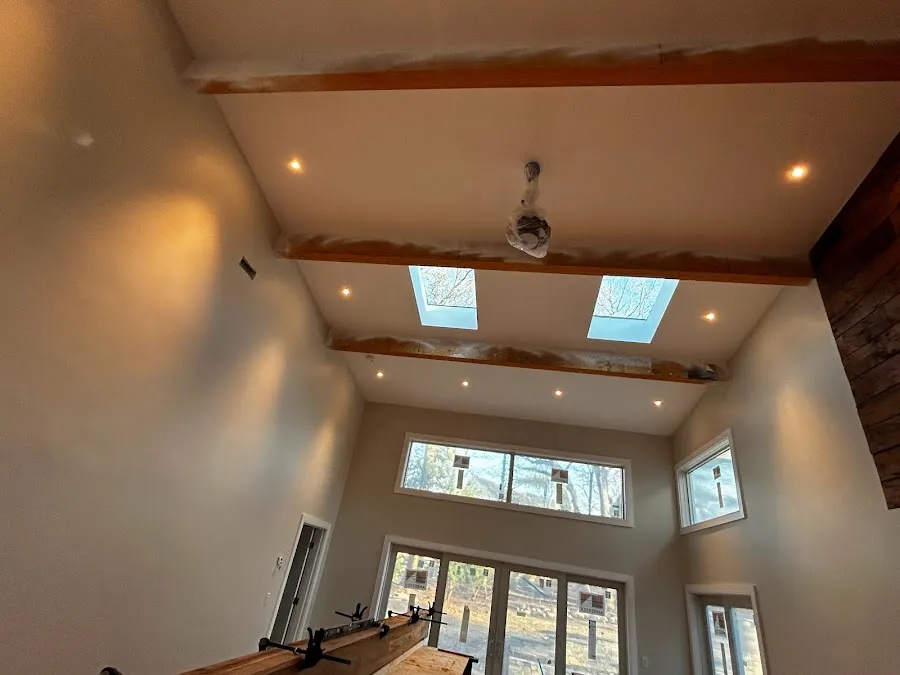
Shopping for reclaimed beams? Start with what the beam needs to do. Is it a decorative feature, a cover for existing framing, or part of the building’s structure? The answer affects what to buy, how it’s priced, and how it needs to be installed.
Here’s a straightforward guide for comparing solid timbers, reclaimed wood box beams, and faux beams, and asking the right questions before you order.
Solid, box, or faux?
These options can create a similar look, but they’re made differently and suit different jobs.
Solid reclaimed beams
A solid beam is a full timber. You get genuine wood throughout, with the weight, grain, saw marks, tool marks, and patina that come with salvaged material.
Choose solid reclaimed timber when authentic old wood is the priority and the space can accommodate its weight. Keep in mind that “solid” does not mean “approved to carry a building load.” A reclaimed beam needs professional evaluation before it’s used structurally.
Reclaimed wood box beams
A box beam is hollow, typically made by joining reclaimed boards into a beam-shaped cover. It can give a room the character of a substantial timber without the weight of a solid beam. A custom box beam can also be made for a long run, fitted around existing framing, or used to wrap steel.
Toy Town makes custom box beams from authentic aged wood. They’re a useful choice when you want the warmth and surface of reclaimed lumber in a more manageable form.
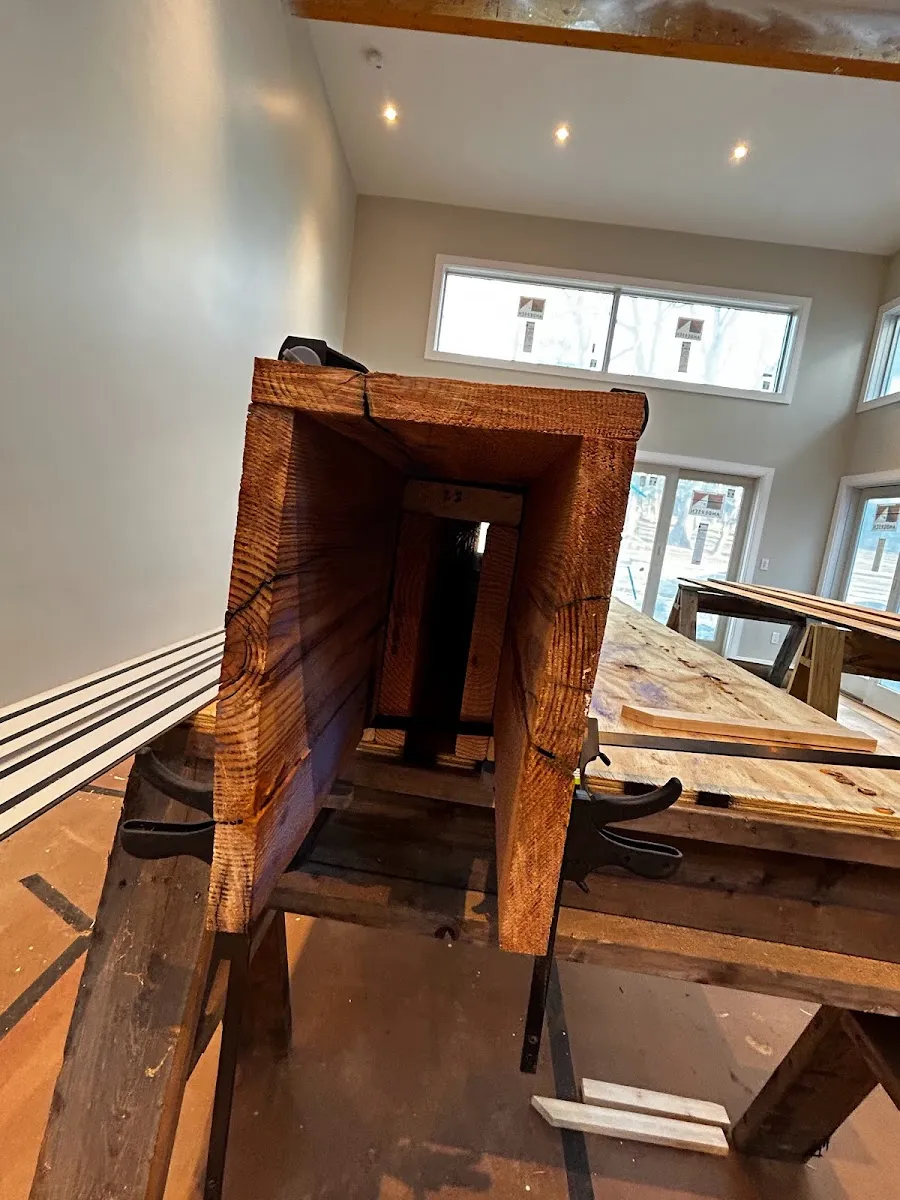
A box beam may look solid from across the room, but it’s hollow. Treat it as decorative unless a qualified professional has specifically designed and approved it for structural use.
Faux beams
Faux beams made from polyurethane or high-density foam aren’t wood. They’re lightweight and may suit a project where budget or ease of handling comes first and authentic wood isn’t a priority. If you want real grain, natural variation, and the marks of an earlier life, choose actual reclaimed wood instead.
Not sure which direction fits your project? Review Toy Town’s reclaimed wood and box beam work, then send us your photos and measurements.
How reclaimed beams are priced and sold
You may see reclaimed timber sold by the board foot or by the piece. A price by the piece is for a particular beam; board-foot pricing is based on volume. Ask what the listed measurement includes and whether it describes the rough beam or the finished, milled dimensions.
There isn’t one standard price for reclaimed timber. The quote depends on details such as:
- Species: Oak, chestnut, heart pine, and fir each have their own look and availability.
- Size and length: Large, long, or unusually heavy timbers can take more work to source, handle, and deliver.
- Surface and character: Hand-hewn, rough-sawn, and re-sawn beams have different appearances and preparation needs.
- Patina and condition: Natural aging may be the feature you want, but the beam still needs to suit the project.
- Nail holes and old marks: These may be part of the character, or something you’d rather minimize on visible faces.
- Provenance: Knowing where the wood came from can add context and help you choose material with a real history.
- Milling and preparation: Plan for any custom sizing, surface preparation, or box-beam construction you need.
If you’re comparing barn beams for sale or other reclaimed timber for sale, ask for the actual dimensions, lengths, condition, and what’s included in the quote. I offer free estimates with no consultation fee, so you can talk through the project before you decide.
Your pre-purchase checklist
A few clear questions can prevent surprises when the beam arrives.
Species and source: What species is it, if known? Where was it salvaged? If the species can’t be confirmed, ask what the seller can tell you about the material.
Hidden metal: Old nails, spikes, and hardware can be buried below the surface. Ask whether the timber has been checked for metal and how that affects cutting or milling.
Rot and insect damage: Look for soft or crumbly spots, suspicious holes, or signs of active insect activity. Ask the seller about any known damage and what has been repaired.
Checks and splits: Small surface checks are common in old timbers. Ask whether a split is stable, how deep it goes, and whether it changes the beam’s suitability for your project. A photo may not show the full depth.
Moisture and drying: Ask for a current moisture reading and whether the beam was air-dried or kiln-dried. Ask how it has been stored and what acclimation is recommended for your space.
Shape and finished dimensions: Check for bow, twist, crook, or taper. Confirm the dimensions of the beam after any planned milling, not just its rough size. Some irregularities can be corrected at the mill, but removing material can change the finished dimensions and appearance.
Paint and old coatings: If a beam is painted, don’t assume the coating is harmless. For work in Massachusetts, check the state’s lead-safe renovation guidance before cutting, sanding, or disturbing painted material. The right requirements depend on the project and what surface is being disturbed.
Provenance is part of the story
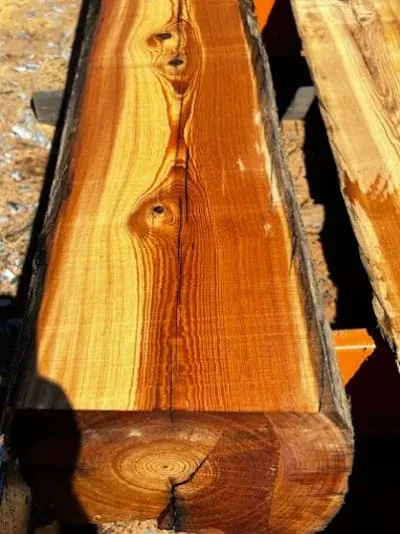
Ask where the wood came from. A clear answer gives you more than a good story: it helps you understand the material’s history and make a more informed choice.
Toy Town salvages wood from local Massachusetts buildings. That includes 1809 chestnut, wormy chestnut, and pine recovered from the floors and walls of the original 1809 Toy Factory building in Winchendon. You can see how that material was remilled and used in a Quincy project.
If you’re choosing between several reclaimed beams, ask about their source and visible features. Samples can help you compare the color and grain with the room. Toy Town can bring sample boards to customers, so you can see the wood in your own space.
Plan for the installation, too
Weight is one of the biggest practical differences between solid and hollow beams. Before ordering, think about how the beam will get into the room, how it will be lifted, and what it will attach to.
Decorative beams generally need secure attachment to framing, such as studs, joists, or suitable blocking, not just drywall. Heavy timbers or masonry connections may call for engineered brackets or another connection designed for the project. A qualified installer can help plan the mounting method.
Allow time for the wood to adjust to the conditions where it will be installed. Seven to ten days is a useful planning window to discuss, but the right acclimation period depends on the beam, storage conditions, and the room. Ask the supplier or installer what they recommend.
If the beam will carry a roof, floor, wall, or other load, have its capacity assessed by a qualified structural professional before you buy or install it. An antique timber’s size and age don’t prove it’s suitable for a structural job. A box beam is decorative unless it has been designed and approved for structural use.
Safety note: This guide isn’t structural or installation advice. Have a qualified professional assess beams used in load-bearing applications. If you’re using a beam as a mantel, have a qualified installer confirm clearances and installation details for your fireplace or heating appliance, following the appliance manufacturer’s instructions and local requirements.
Get a quote for the right beam
Send us a few project details: photos of the space, the span and approximate beam dimensions, and the look you’re after. Tell us whether you’re considering a solid beam or a hollow box beam, and whether the piece is decorative or intended for structural use.
I’ll help you talk through the options. Toy Town ships material to other states and installs on site in Massachusetts. You can also browse the gallery and read our related guide to common reclaimed beam mistakes.
Get a free estimate: there’s no consultation fee. Call (978) 210-0221 or email sam@toytownvintagesalvage.com. I’m happy to take a look and help you choose a good next step.